ABOUT US

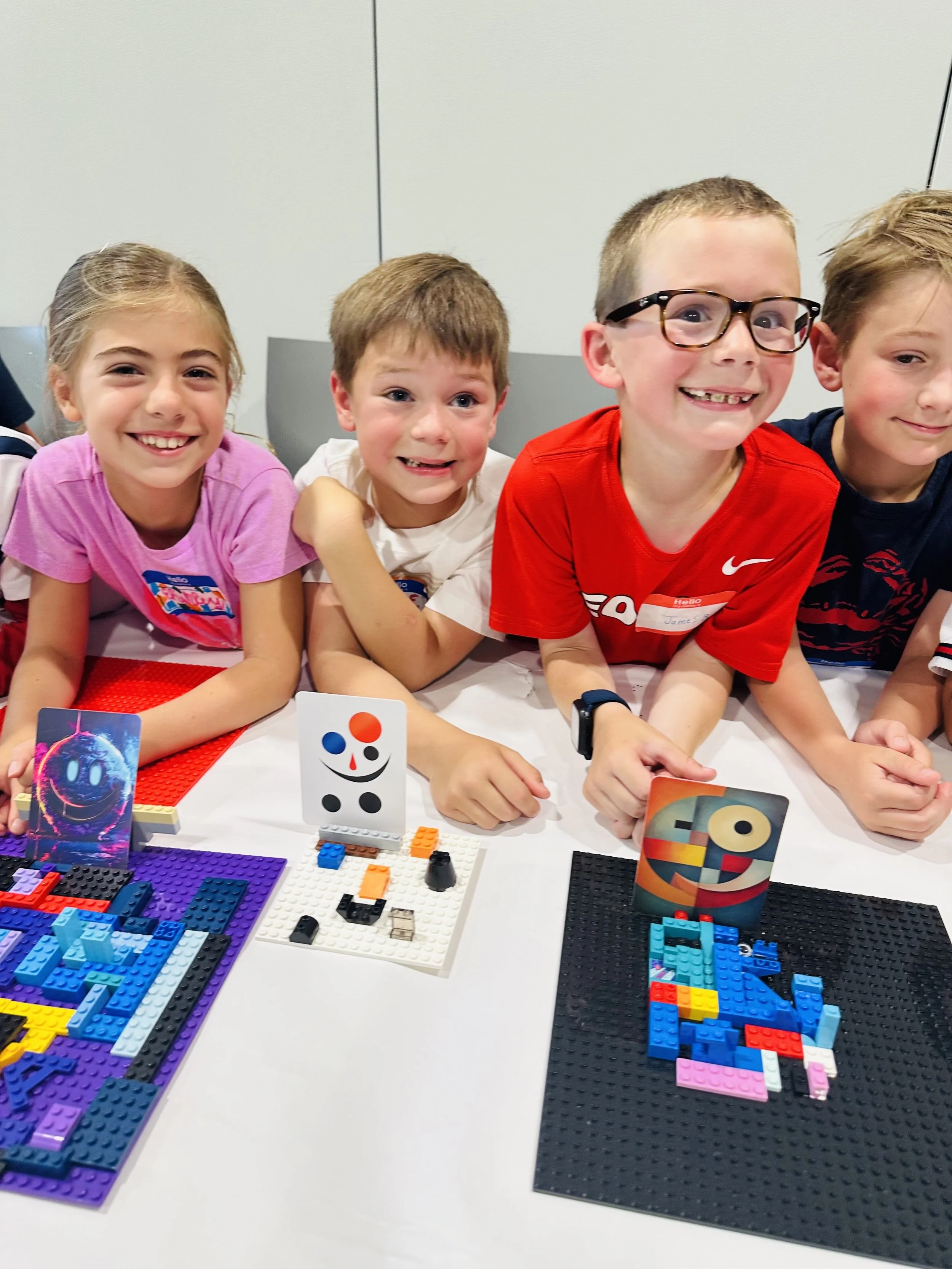
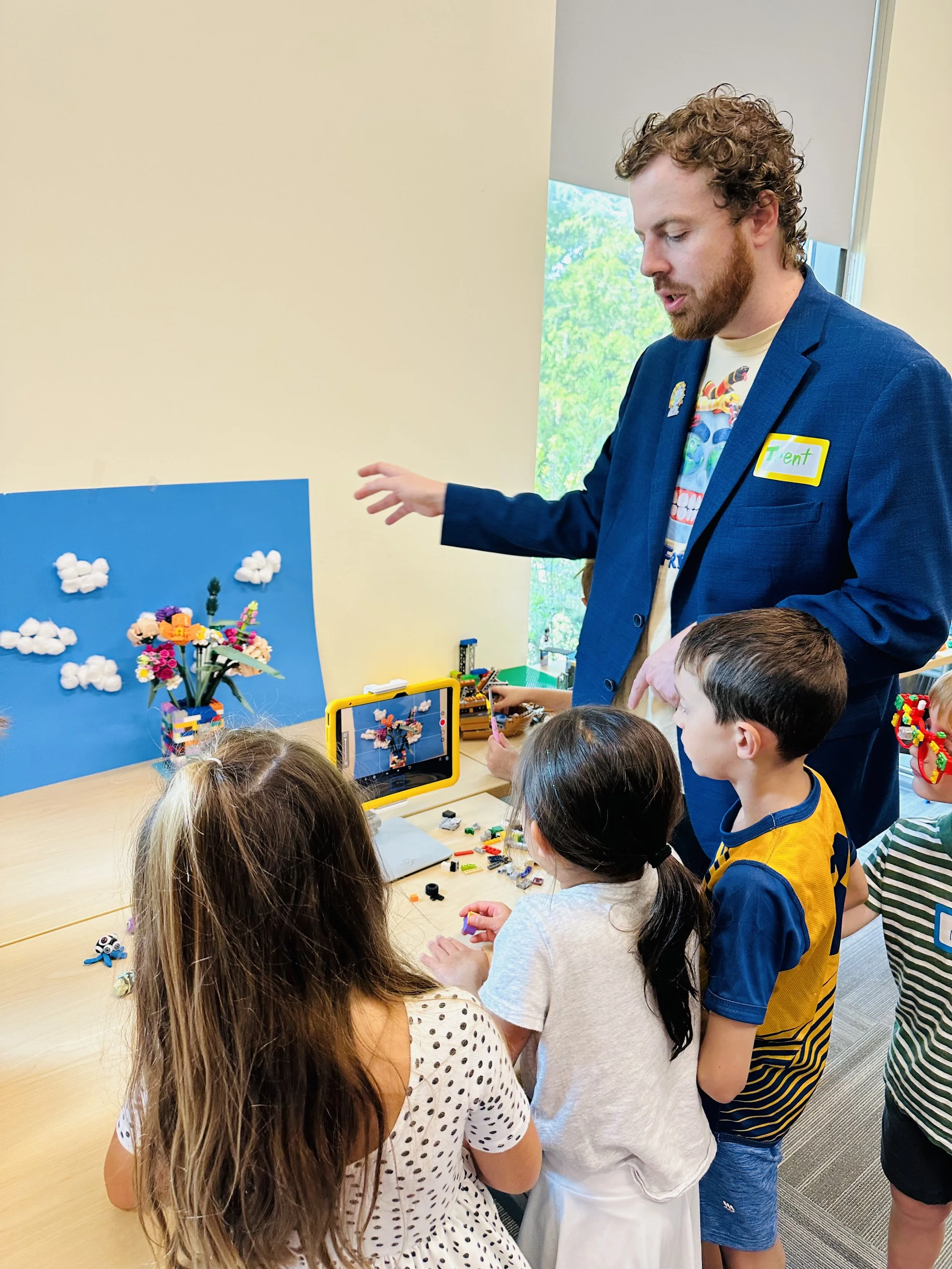
At Kids Creative Lab, we offer innovative and engaging after school and camp programs for children ages 5 to 10 that combine cutting edge technology with hands on creativity. From LEGO and Robotics to 3D printing, digital and AI art, and stop motion animation, our programs help children develop essential skills such as creativity, problem solving, critical thinking, collaboration, and communication.

For more than five years, Kids Creative Lab has been bringing creative technology programs to children in the Charleston area through partnerships with the Mount Pleasant and Charleston Recreation Centers. Today we continue expanding our programs to reach more families who are looking for meaningful, hands on learning experiences for their children.

Our multi-sensory, hands on programs encourage each child to develop their own unique perspective and style of creative expression, promoting individuality, confidence, and self discovery.

Our work has also received international recognition, with our founder named a Global Semifinalist for the Digital Innovation in Art and Culture Award presented by .ART.

OUR FOUNDER

Natasha is a creative, daring, and accomplished entrepreneur. After relocating from New York City to Charleston, she recognized the need for innovative learning experiences for children and founded the city’s first creativity and innovation lab for kids.

She is a Global Semifinalist for the Digital Innovation in Art & Culture Award (DICA), presented by .ART, recognizing her work at the intersection of creativity, technology, and education.

All programs are developed and inspired by the playful learning approach of LEGO House, created through decades of collaboration between the LEGO Foundation and leading researchers in creativity, play, and education.

Grounded in the five characteristics of playful learning—joy, meaning, active participation, repetition, and social interaction—Natasha has elevated traditional after-school experiences into dynamic environments where creativity, innovation, and real-world skills come together. Her approach is also influenced by future-of-education frameworks developed by Peter Diamandis.
COLLABORATIONS